
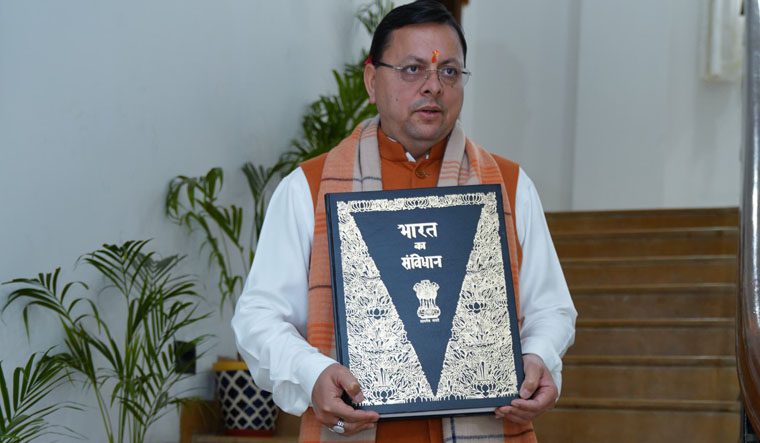
Uttarakhand’s Uniform Civil Code aims to establish a uniform set of personal laws applicable to all individuals regardless of their religion. While refraining from discussing sensitive practices like polygamy, this blog post analyzes key provisions to foster informed discussion:
- Gender equality: The UCC aims to promote gender equality through provisions like equal inheritance rights for daughters and spouses, potentially impacting traditional practices within certain communities.
- Marriage regulation: The code establishes minimum marriage age for both men and women, aiming to curb child marriages and protect vulnerable individuals.
- Simplified legal framework: Proponents argue the UCC streamlines legal procedures and eliminates confusion arising from multiple personal laws, potentially improving access to justice.
Navigating the Impact: Diverse Perspectives and Concerns
While the UCC’s stated goals raise hopes for social progress, concerns and diverse perspectives require understanding:
- Impact on minority communities: Some groups fear the UCC might erode their cultural and religious identities, highlighting the need for sensitive implementation and protection of minority rights.
- Individual choice and religious freedom: Balancing the goals of the UCC with individual freedoms and the right to practice one’s religion is crucial to ensure inclusivity and respect for diverse beliefs.
- Long-term effectiveness: The UCC’s effectiveness in achieving its stated goals requires careful monitoring, data analysis, and ongoing dialogue with affected communities.
Beyond the Headlines: A Broader Conversation
The UCC in Uttarakhand sparks a national conversation about:
- Religious neutrality and personal laws: The ongoing debate about balancing religious freedom with the pursuit of social equality and legal uniformity remains complex.
- Social reforms and individual rights: The UCC raises questions about the role of legislation in driving social change and the potential impact on individual rights and choices.
- Federalism and state autonomy: The implementation of the UCC in Uttarakhand sheds light on the ongoing discourse about federalism and the role of individual states in enacting social reforms.
Looking Ahead: A Path of Dialogue and Understanding
Uttarakhand’s UCC presents a complex and evolving situation. Open dialogue, careful analysis of its impact on diverse groups, and continued discussions about balancing social progress with individual rights and religious freedom are crucial for navigating this complex terrain. While refraining from discussing sensitive practices, this blog post aims to offer a neutral and informative overview of the key provisions and potential implications, encouraging further inquiry and responsible discourse.
More on UCC
A Uniform Civil Code (UCC) in India refers to a single set of personal laws applicable to all citizens, irrespective of their religion. Currently, India follows a diverse system of personal laws based on religious affiliations, such as Hindu, Muslim, Christian, and others. The call for a Uniform Civil Code has been a subject of debate and discussion in the country for decades.
The primary argument in favor of a UCC is rooted in the principles of equality and justice, as enshrined in the Indian Constitution. Proponents argue that a common set of laws would eliminate disparities and promote uniformity in matters related to marriage, divorce, inheritance, and other personal issues. This approach aligns with the secular ethos of the nation, ensuring that legal provisions are not influenced by religious doctrines.
However, the debate surrounding the implementation of a UCC is complex and has faced opposition from various quarters. Critics argue that imposing a uniform set of laws may infringe upon religious freedom, as personal laws often derive from religious texts and traditions. Additionally, concerns have been raised about the potential cultural insensitivity and resistance to change from different communities.
Despite the constitutional directive to strive towards a UCC (Article 44 of the Directive Principles of State Policy), successive governments have been hesitant to push for its implementation due to the sensitive nature of the issue. Political considerations and the need to maintain communal harmony have often led to a cautious approach.
In conclusion, the idea of a Uniform Civil Code in India is deeply rooted in the principles of equality and justice. However, its implementation requires careful consideration of the diverse cultural and religious landscape to strike a balance between uniformity and respecting the pluralistic fabric of the nation. The ongoing debate underscores the challenge of harmonizing legal provisions with the ideals of a secular and diverse society.